

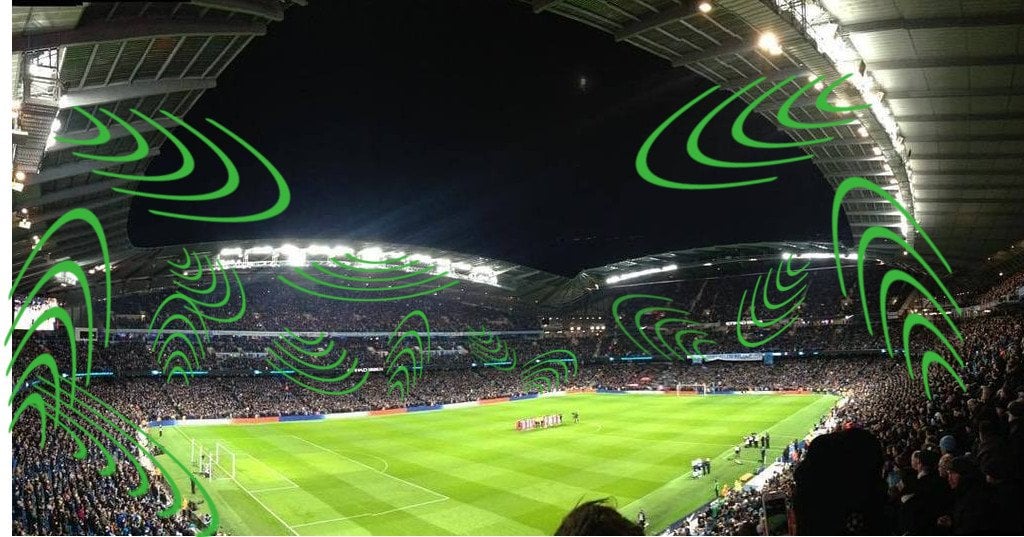
Every venue has a private voice before anyone hears it. Stadiums and halls sound almost shy in those early minutes. A maintenance cart rattles along a tunnel. A microphone pops while someone checks the levels. Two security guards chat, their words drifting across empty rows with nothing to stop them. It is the only time a sports arena feels like an ordinary place.
But even then, there’s a quiet tension, a sense that the building knows people are coming.
When People Start Filling the Space
Once the gates open, the sound thickens. You hear zippers, joking voices, the first songs from supporters who never seem to tire of rehearsing. A child drops a drink cup and it echoes like a firework. Someone argues about the lineup. Someone else debates the odds of the match, because in modern sport, the sports betting conversation arrives long before the players do. Not instructions, just predictions, small theories, the “I have a feeling today” chatter that has become part of matchday noise everywhere from Manchester to Nairobi.
The venue hasn’t even filled yet, but the audio palette has already changed. It’s warmer, buzzing, uneven in a good way.
Warm-Up Sounds: The Sport Reveals Itself
Warm-ups tell you the sport before you see it.
In basketball halls, the ball hitting the floor is like a metronome. The rim gives off a metallic ring that you never hear on TV. Shoes squeak like someone is drawing fast lines on a whiteboard.
In football stadiums, warm-ups sound like a rehearsal for a storm. Balls whipped through the air, short bursts of calling between players, nets shaking from practice shots.
Indoor arenas amplify everything. A single handball pass can echo like a clap. A volleyball spike feels like it hits the roof.
It is during the warm-up that conversations in the stands shift. People talk about form, substitutions, and also the numbers. Modern fans follow odds the way previous generations followed newspaper previews. Again, not as instructions, but as another way to read the atmosphere.
The First Whistle: Sound Takes Over
Then the match begins, and nothing stays quiet. The sound becomes instinctive, almost biological.
Football crowds don’t cheer at the same volume throughout. They swell, drop, hold their breath, then explode again. A basketball arena can go from a hum to a roar in the space of a single turnover. In tennis, silence is its own kind of noise, the held breath before a serve, the sudden gasp when a rally shifts direction.
These reactions don’t wait for the scoreboard. People who follow sports and especially those who follow sports betting conversations, often read the game early. A defender looks nervous. A striker hesitates. A tennis player starts glancing more toward their coach. You can hear the shift before you see it. The crowd tightens, murmurs, leans forward. Sound becomes intuition.
When It All Ends
After the final whistle, the building deflates in the gentlest way. Seats snap back into place. Vendors count change. Fans argue about decisions they’ll forget in an hour. The betting chatter returns one last time, not as advice but as post-match storytelling: who saw the turning point first, who felt the momentum before the numbers reacted.
The venue quiets again, returning to that early stillness, as if storing the noise for the next match.
The Memory That Stays
Long after the result fades, the sound remains. Every stadium has its own music, its own personality, its own way of breathing with the crowd. You don’t just watch sport in these places. You live inside its noise and that noise is what brings people back, week after week, year after year.

