
Some news stories don’t arrive with fireworks. They arrive quietly — like a warning light on the dashboard that most people ignore until the engine starts smoking.
According to People, officials confirmed a Nipah virus outbreak near Kolkata, India, including hospital-linked cases and active contact tracing. Nipah is a high-mortality zoonotic virus with no approved cure or vaccine.
Both confirmed cases were reportedly linked to staff at a private hospital — and one person is now in a coma.
This isn’t a “panic” story. It’s a pay-attention story. Because Nipah is one of those viruses that doesn’t need massive case numbers to be taken seriously.
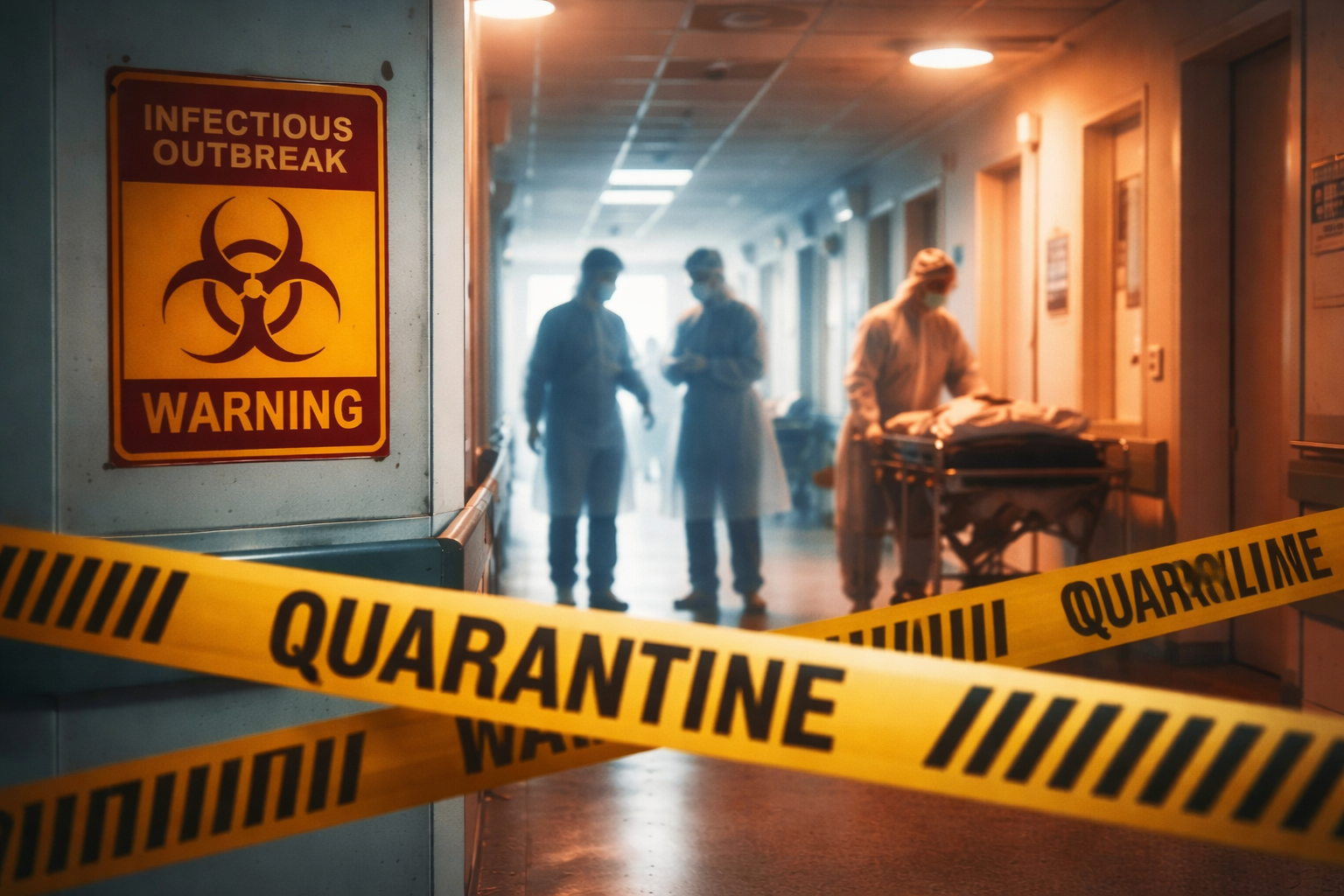
TL;DR — What Nipah Is (And Why It Matters)
- Nipah virus is a zoonotic disease (animal → human) often linked to bats.
- It can spread human-to-human in some outbreaks.
- It can cause fever, respiratory distress, and fatal encephalitis (brain inflammation).
- There is no vaccine and no cure — only supportive treatment.
- No panic — but also no “lol it’s nothing.”
What Makes Nipah Different From “Normal Outbreak News”
Nipah doesn’t trend the way seasonal viruses do. It appears in clusters. It spreads in specific conditions. And when it hits hard, it can move from “fever” to “neurological catastrophe” fast.
The fear factor isn’t the headline. The danger is the combination: high severity + human-to-human potential + no specific treatment.
What Authorities Are Doing (And What We Know So Far)
Officials have reportedly tested dozens of contacts, quarantined high-risk individuals,
and are tracing a suspected index case who died before being tested.
Bats are also being sampled in the region — because Nipah’s natural reservoir is often associated with fruit bats. This is how outbreak control actually begins: not with headlines, but with contact tracing, isolation, and uncomfortable logistics.
No Cure Doesn’t Mean “Hopeless”
“No cure” doesn’t mean nothing can be done. It means treatment is supportive: managing symptoms, preventing complications, and trying to keep patients stable while the immune system fights.
It also means outbreaks are won or lost through classic public health basics: identifying chains of transmission early and stopping them while they’re still small.
In other words: this is not about fear. It’s about respecting reality.
Today’s Strange Sounds Digest
Today’s edition spirals exactly the way 2026 has been spiraling — deadly pathogens, crumbling infrastructure, cyberwar shadows, and volcano fountains that look like Earth showing off.
In today’s newsletter
- Massive sewage spill into the Potomac: raw infrastructure failure upstream of Washington.
- Conjoined twins anatomy diagram: fascinating and nightmare fuel at the same time.
- Guatemala rewilds oil fields: “stop drilling, start protecting” inside a national park.
- Greenland blackout in Nuuk: likely weather… but 2026 timing is always suspicious.
- Poland grid targeted by wiper malware: the message is the intent.
- Kīlauea erupts again: lava fountains reaching extraordinary heights.
- Palantir backlash in the UK: surveillance contracts meet public resistance.
- Alaska drilling rig tips and burns: the Arctic keeps collecting risk.
- Scientists print human liver tissue: the future is incredible, and insurers are already plotting.
- Fake “gay panda sex” news: the internet did what it does, authorities did what they do.
- Student eats AI art: performance protest meets police report.
- Libya dust storm turns the sky orange: sepia apocalypse mode activated.
- China’s population falls again: the birth-rate crisis deepens.
- Rare solar system group photo: Moon photobombs planets while the Sun flares for attention.
Frequently Asked Questions About Nipah Virus
- What is Nipah virus?
- Nipah is a zoonotic virus that can spread from animals to humans and can sometimes spread human-to-human, causing severe respiratory disease and encephalitis.
- How dangerous is Nipah?
- Nipah can be extremely serious, with high mortality in some outbreaks. Risk depends on outbreak conditions, early detection, and healthcare response.
- Is there a Nipah vaccine or cure?
- No approved vaccine or specific cure exists. Treatment is supportive, focusing on managing symptoms and complications.
- Can Nipah spread between people?
- Yes. Human-to-human transmission has occurred in past outbreaks, especially in close-contact settings such as healthcare and family caregiving.
- Should people panic?
- No. But outbreaks like this deserve attention because early containment matters. It’s a “stay informed” situation, not a “doomscroll” situation.
Read the Full Edition on Substack
This post is an excerpt from today’s Strange Sounds newsletter.
The full edition includes the complete roundup, extra links, and the daily dose of “how is this real?”
👉 Read the full newsletter here: If this feels like too much — good. That means you still have functioning threat detection…